A way of teaching mathematics that treats seeing and hearing as skills students can be taught. Built in Kentucky classrooms over a long career, and now taught to teachers.
Teach the seeing and hearing, and the math will follow.
Most math instruction assumes students already perceive what a problem is showing them. This approach teaches that perception directly, so students read a problem for what it means before deciding what to do with it.
The “next chapter” habit moves a class forward whether or not the class is ready. Formative assessment replaces it, so what students need surfaces early enough to act on.
Assessment reveals need instead of recording failure
Pacing responds to what the classroom shows
Practices like bell ringers and word walls carry it day to day
Make the lesson fit the student... not the reverse.
Every learner brings different strengths and gaps, and the lesson is built to meet them where they are.
The History
Ideas first, never tricks.
From the beginning the preference was to help students build ideas rather than hand them tricks and schemes. Understanding the why leads to deeper insight than memorizing the how.
“I see it now.” Nothing is more energizing to hear in a classroom.
The method comes from the classroom, not from theory.
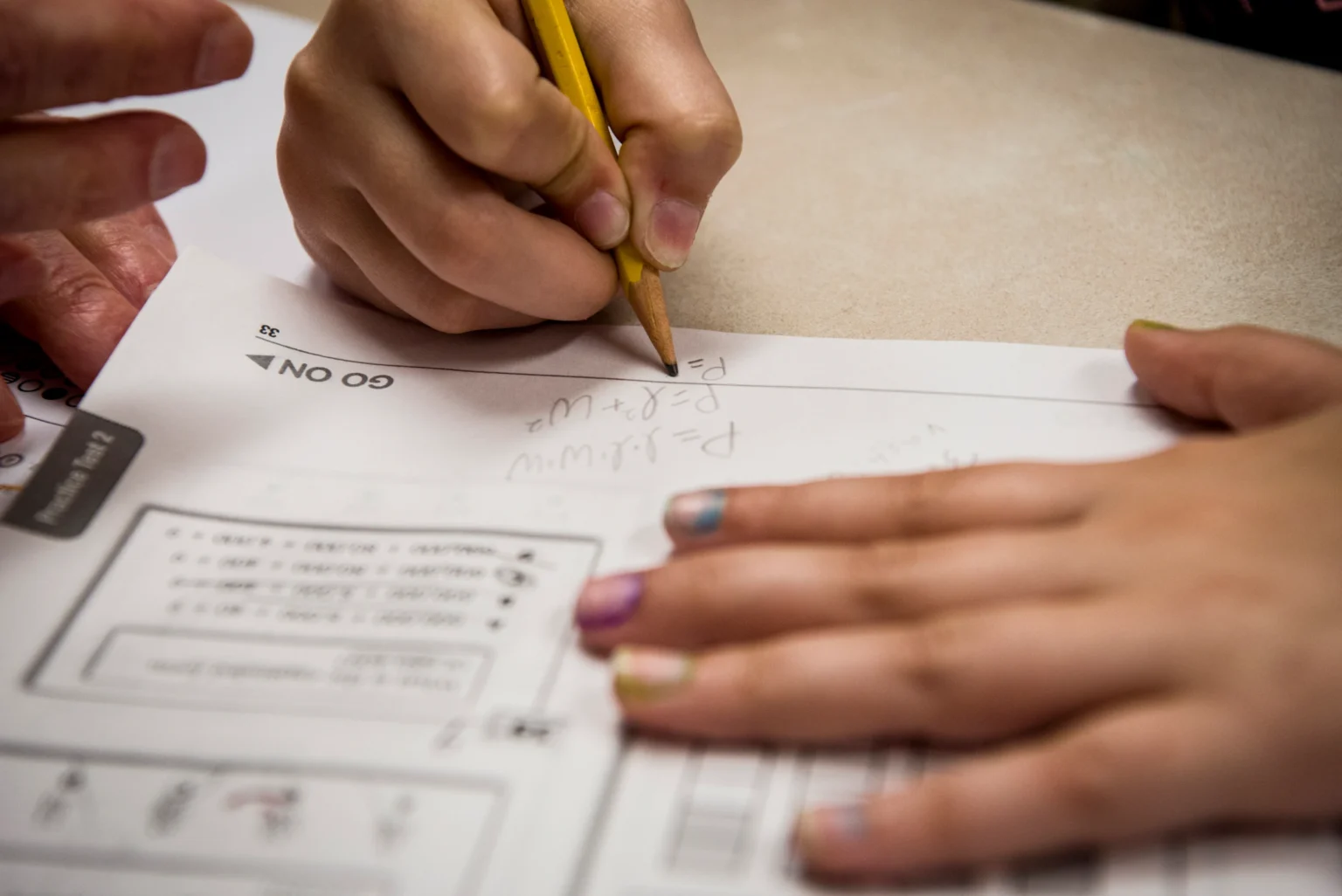
PerceptualLearning™ grew out of years spent working directly with students and teachers. Don began noticing something that traditional measures often missed: two students could give the same answer while understanding the mathematics very differently.
That observation led to a deeper question:
What changes when teachers learn to see the thinking behind the answer?
What began in the classroom developed into a framework for helping educators recognize student understanding and use it to make better instructional decisions.
The Key Perception
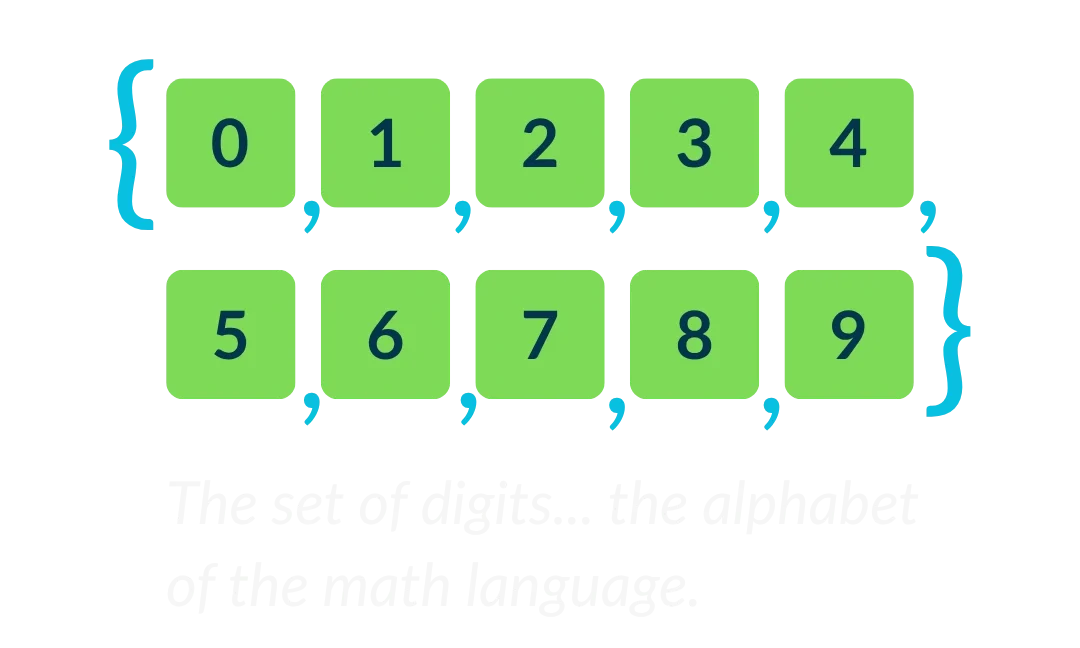
Math is a language
The digits zero through nine work the way the alphabet works in . Once students see math as a language, vocabulary becomes the most important thing in the room, and definitions stop being something to skip past.